
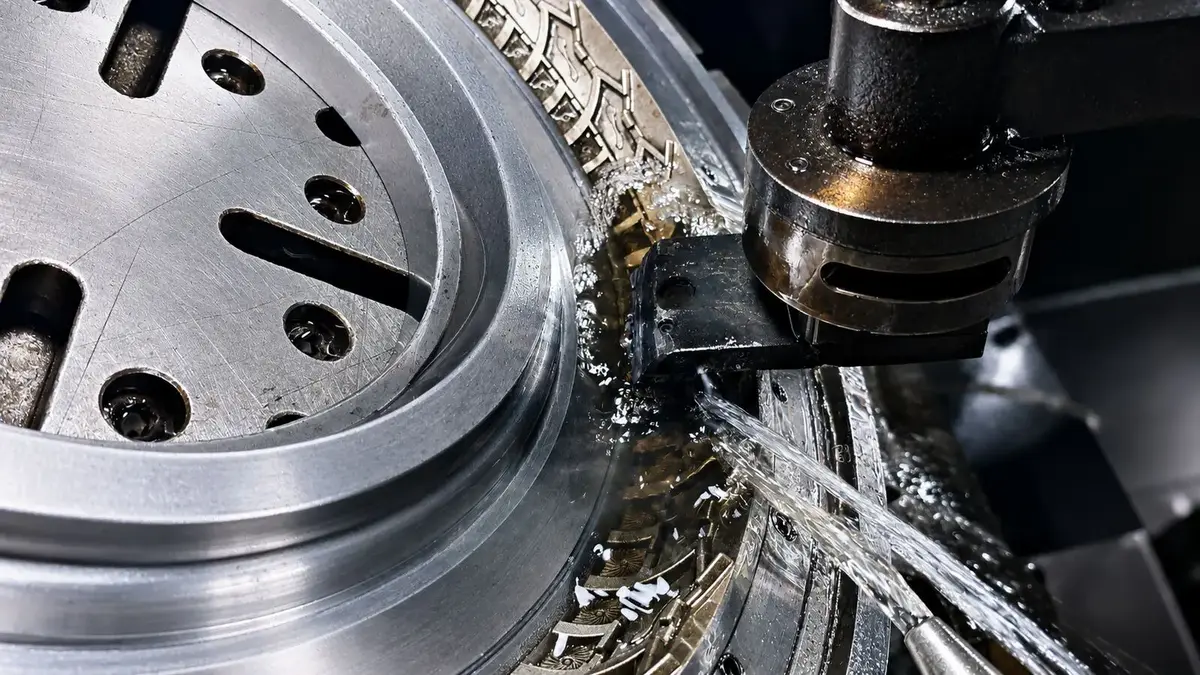
Developing a new RC tire is not only about creating the rubber compound or choosing an attractive tread pattern. The RC car tire mold is one of the key tools that determines whether the final tire can accurately reproduce the intended design.
For manufacturers developing small tires, one common problem is that a tire design may look correct in a drawing or 3D model but become more difficult to manufacture when the actual mold is produced. Small tread blocks, detailed grooves, sidewall markings and compact mold structures all require the tire design and mold engineering to work together.
For this reason, choosing a suitable custom mold manufacturer at the beginning of a new RC tire project can help reduce unnecessary design changes and production problems later.
Pinjin Precision Mold is a tire mold manufacturer whose capabilities include CNC machining, EDM engraving, heat treatment, mold assembly and quality inspection. The company states that its molds are developed around customer tire designs and production requirements. pj.tydzg.cn
For an RC car tire mold project, three areas are particularly important: reviewing the tire data before machining, converting detailed tread designs into manufacturable mold structures, and preparing the mold for consistent production.
1. Start With Complete Tire Data Before Manufacturing the RC Car Tire Mold
One of the easiest ways to create problems during mold development is to begin machining before all important tire information has been confirmed.
An RC car tire mold needs to reproduce the tire design accurately. Therefore, the mold manufacturer needs enough technical information to understand the intended tire profile, tread pattern, sidewall details and other production requirements.
Pinjin states that it supports custom mold design based on customer drawings and specifications. The company also supports custom tread patterns and sidewall markings developed from customer technical data. pj.tydzg.cn
This means the first stage of a custom project should focus on technical communication.
Depending on the project, the manufacturer may need information such as:
- Tire dimensions
- Tire profile
- Tread design
- Sidewall artwork
- Mold structure requirements
- Venting requirements
- Production requirements
- Relevant technical drawings or specifications
For a new RC tire product, confirming this information before machining can help avoid unnecessary modifications after the mold has already entered production.
The main goal is simple: the mold manufacturer should be working from the same approved design data as the tire development team.
This becomes even more important when the tire contains a complex tread pattern. A small change to the tread design can affect the corresponding cavity geometry, machining strategy and mold structure.
For buyers, providing complete and clearly controlled design information is therefore an important first step in reducing development risk.
2. Complex Tread Patterns Need to Be Considered From a Mold Manufacturing Perspective
An attractive tread pattern is not automatically an easy tread pattern to manufacture.
For an RC car tire mold, the tread may contain many small blocks, grooves or directional features within a relatively compact area. The mold must reproduce these details while still allowing the required machining, fitting and finishing processes to be completed properly.
This is where mold engineering becomes important.
Pinjin’s website states that its custom engineering solutions are developed around the customer’s tire design and production needs. Its manufacturing capabilities include CNC machining and EDM engraving, which are used as part of its tire mold manufacturing capabilities. pj.tydzg.cn
The company also states that key CNC machining accuracy can reach ±0.005 mm depending on mold structure. pj.tydzg.cn
For an RC tire project, the important question is not simply whether a supplier can machine metal accurately.
The more important question is whether the supplier can understand how the tire design needs to be converted into a practical mold structure.
For example, the engineering team needs to consider how tread details are positioned within the mold cavity, how the mold components fit together, and how the finished mold will reproduce the intended tire design.
This is why it is useful for buyers to involve the mold manufacturer during the design-development stage instead of treating mold production as something that only starts after the tire design is completely finished.
Early engineering communication can identify potential manufacturing issues before they become expensive tooling changes.
3. Plan the RC Car Tire Mold Around Repeat Production, Not Just the First Sample
Another important consideration is what happens after the first mold sample is produced.
A mold that produces one acceptable tire is only the beginning of a commercial project. If the tire will be manufactured repeatedly, the mold needs to support stable production over time.
Pinjin states that its quality inspection is integrated throughout machining, fitting and assembly. The company also provides mold maintenance, repair and precision replacement components. pj.tydzg.cn
Its tire mold component capabilities include sidewall plates, tread segments, mold rings, inserts and venting components, with components manufactured according to customer drawings, existing mold structures or specific technical requirements. pj.tydzg.cn
This is relevant when developing an RC car tire mold because long-term production can eventually require maintenance or replacement of individual components.
Instead of considering the mold only as a finished piece of tooling, manufacturers can consider the complete tooling lifecycle:
Design → Engineering Review → Machining → Assembly → Inspection → Production → Maintenance
This approach can make communication easier when the tire design changes or when a mold component eventually needs to be repaired or replaced.
It can also be particularly useful for manufacturers planning multiple tire designs or repeated orders.
Pinjin states that it supports bulk and repeat mold programs through its Qingdao and Thailand production resources. pj.tydzg.cn
What Should You Prepare When Requesting an RC Car Tire Mold?
Before contacting a mold manufacturer, having the available technical information organized can make the engineering review more efficient.
For an RC car tire mold inquiry, manufacturers can prepare:
- Tire size and basic dimensions
- Tread pattern drawings or 3D data
- Sidewall design or markings
- Required mold structure
- Venting requirements
- Expected production requirements
- Relevant drawings and technical specifications
The more clearly these requirements are defined, the easier it is for the mold manufacturer to review the project and determine the appropriate manufacturing approach.
Pinjin states that its lead time depends on mold type, size and technical requirements, with a confirmed schedule provided after engineering review.
That makes engineering review an important stage before a final production schedule is confirmed.
Conclusion
Developing an RC car tire mold is not simply a matter of machining a cavity based on a tread drawing.
The success of a custom mold project depends on how well the tire design, mold engineering and manufacturing process work together.
For manufacturers developing new RC tires, three practical steps can help reduce development risk: provide complete technical data before machining, review complex tread designs from a mold-manufacturing perspective, and consider maintenance and repeat production from the beginning.
Pinjin Precision Mold provides custom tire mold engineering and manufacturing capabilities including CNC machining, EDM engraving, heat treatment, mold assembly and quality inspection. Its website also states that custom tread, sidewall, venting and mold structure design can be developed according to customer drawings and specifications. pj.tydzg.cn
Although RC car tire mold is not currently listed as a separate standard product category on the Pinjin website, manufacturers with an RC tire development project can discuss their specific tire design and technical requirements with the engineering team to determine whether a custom mold solution is suitable.